Spearheading design from zero-to-one for a brand new college admissions startup.
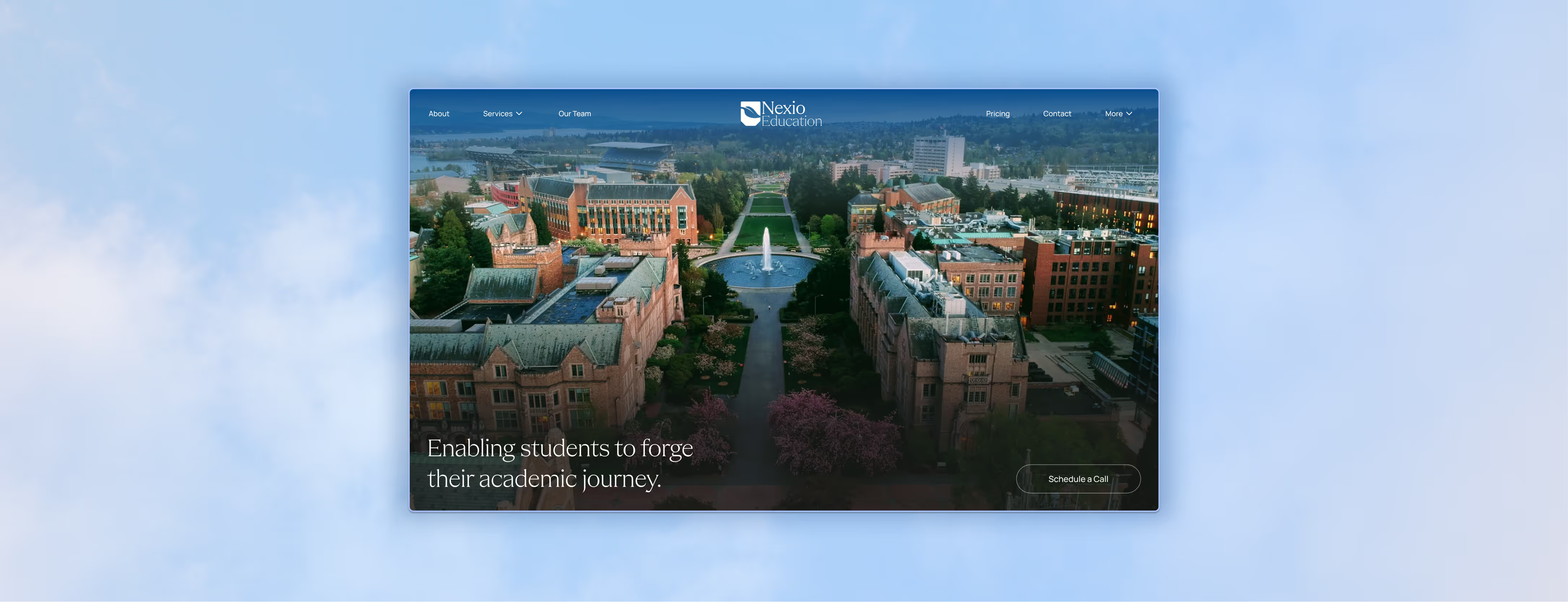
Redesign Nexio's website from the ground up to effectively communicate its brand messaging.
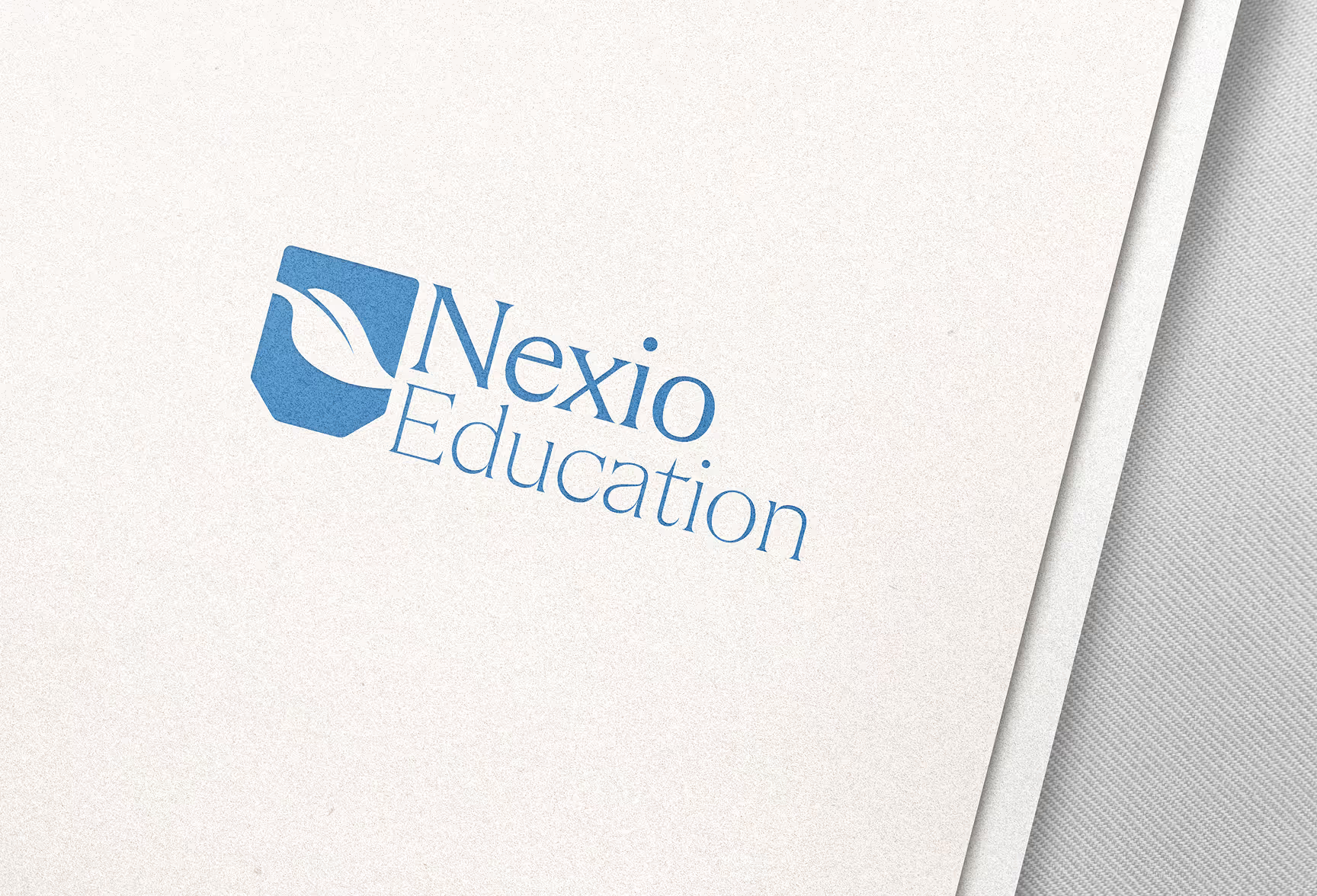

After a 120-minute interview with the founder, I discovered that the college admissions industry commonly exploits the price-quality heuristic.

Many families assume premium prices means guaranteed admissions. But college acceptances are inherently unpredictable.
To combat psychological bias, I reframed the challenge to reflect the needs of both sides:


Many middle-class families question the value and purpose of a private college counselor.
I conducted my research through interviews, competitive analysis, and online forums.
Market research
Design Challenge
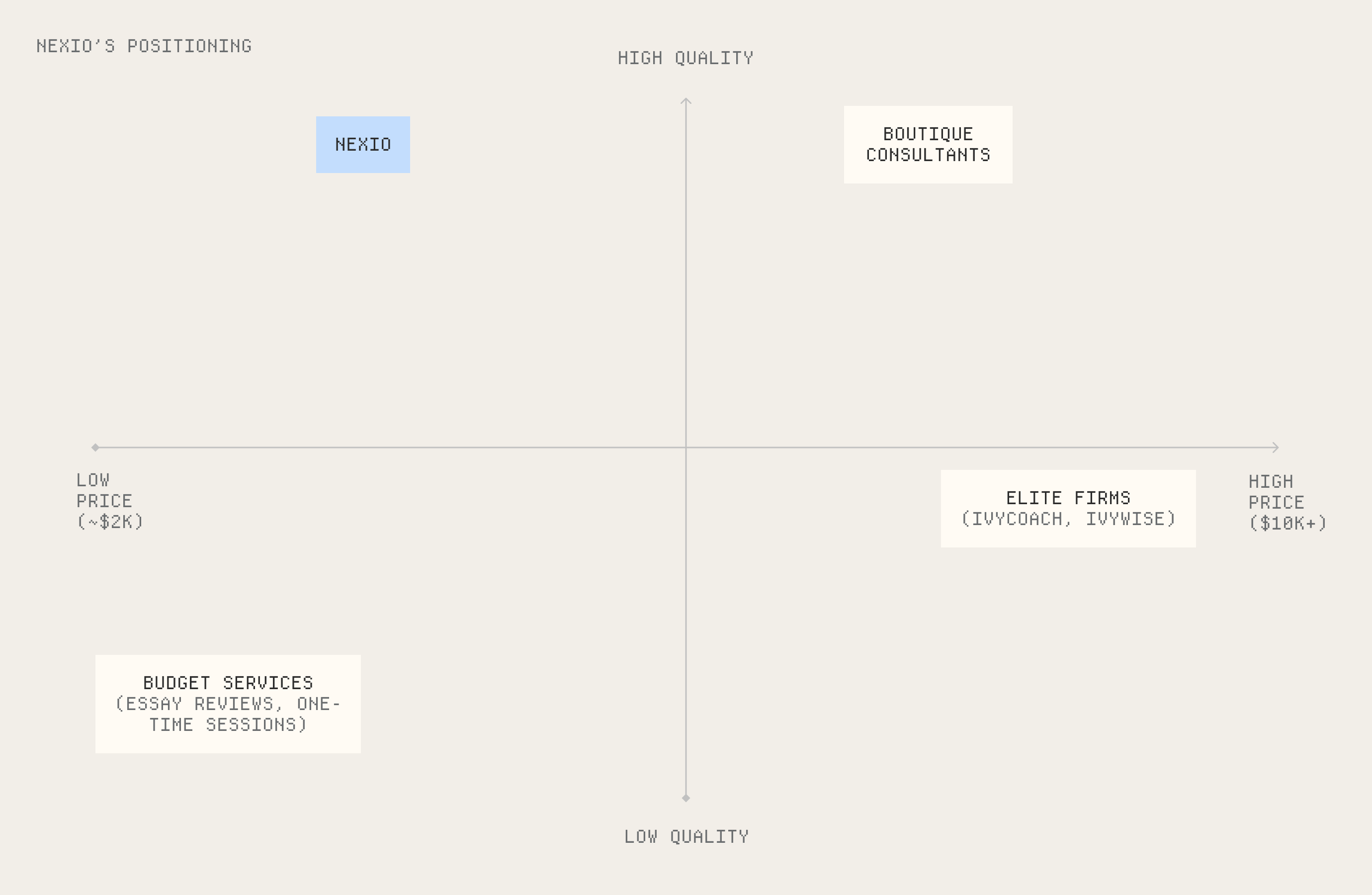
I discovered three core insights, and established these as design principles each tied to a solution.
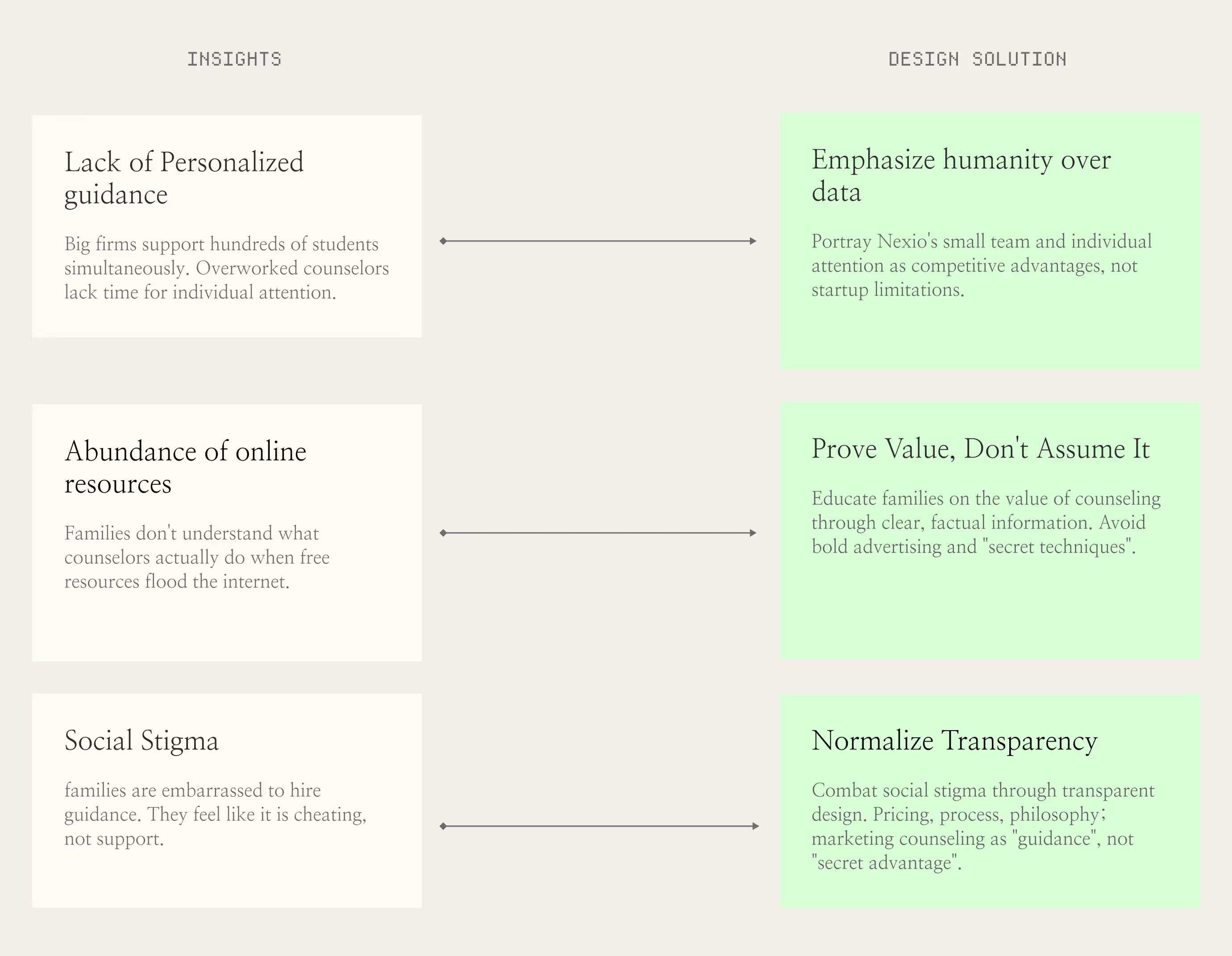
I first built a cohesive brand identity. Without it, the website lacks credibility and feels less professional.
Starting with the logo, I developed a consistent brand pattern and tone-of-voice. Earlier versions used lighter shades of blue to stand out, but a darker hue performed better.
Iterations

The final brand identity leans heavily into themes of trust and credibility.
I realized that families in the education industry don't care about innovation. They care about academic credibility. The final logo promotes trust through familiarity, not novelty.
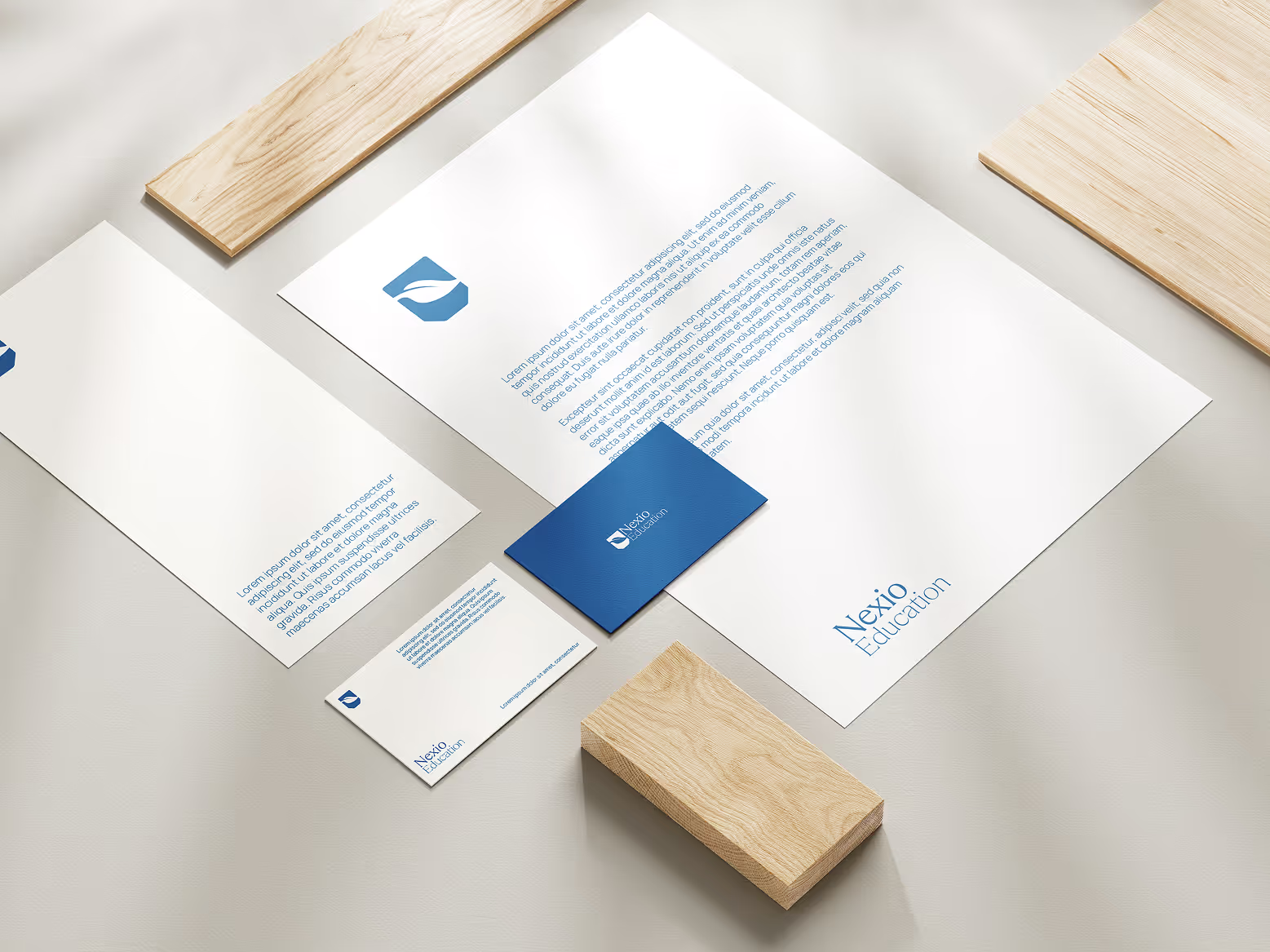

The brand is designed to be a digital-first identity system, but built with flexibility for physical mediums. This is to anticipate Nexio's growth beyond the website.
Translating the brand into a digital experience.
I experimented with three different homepage approaches: Service-focused won by increasing click-through rate and reducing browse time.
Iterating on the homepage

Restructuring the Info Architecture

Nexio's pricing structure relies on separating its services — SAT, Tutoring, and College Prep — into individual plans to save cost. I restructured the information architecture to clarify its pricing and save the navbar from getting over-bloated.
Service Pages

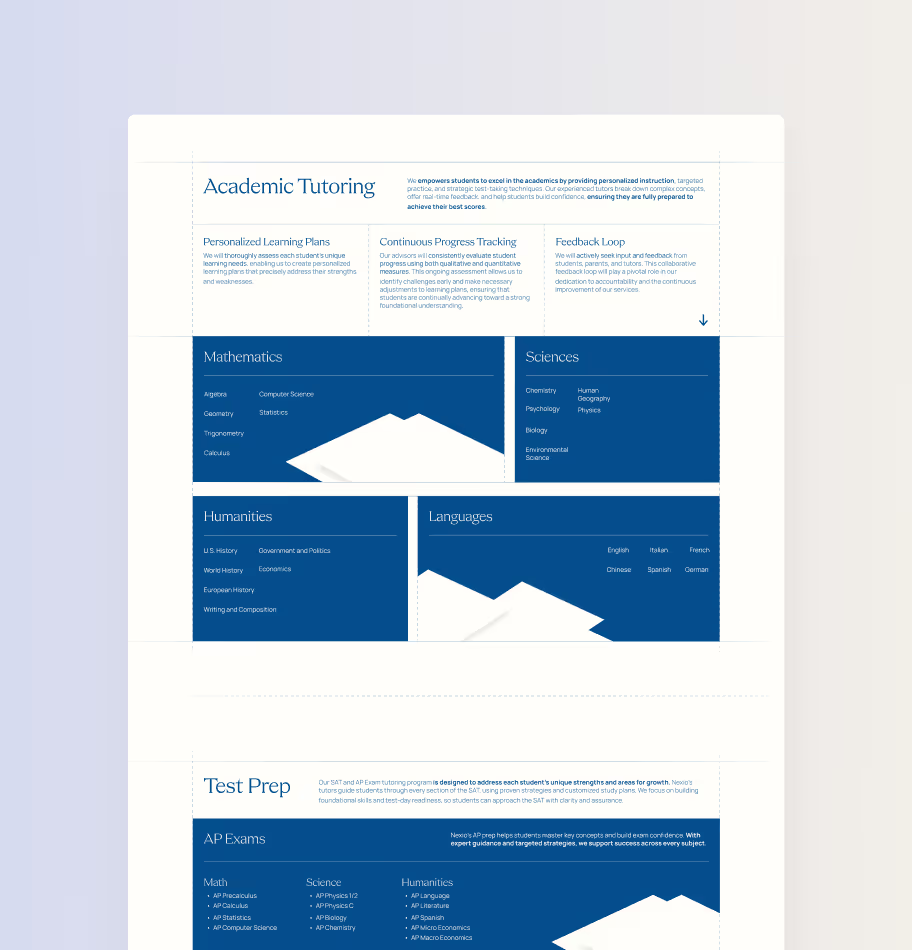
I utilized chunking to split dense paragraphs into more readable sections. Following the “normalizing transparency” principle, I purposely avoided simplifying information or summarizing. Families deserve full clarity.
Iterations

I reformatted the open-ended text box to add more specified fields. This helps families with context, allowing them to provide more specified, personalized information.
The founder and stakeholder were extremely satisfied with the final design!
The full brand rolled out in early August!
Stakeholder feedback confirmed that the brand successfully clarified positioning.
The website is expected to ship in late 2025. We plan to perform usability tests post-launch to identify opportunities for iterative improvements.
Identify the critical path.
I learned to recognize which problems must be solved first. Nexio's original plan was to only build a website. But without a brand, everything would fall apart.
Industry changes rules.
The trend of innovation & simplicity-focused design style is not universally valuable. In an industry that values trust over novelty, strategic positioning mattered way more than micro interactions and fancy visuals.