Transforming Bumble into a community platform through real life events.
Bumble Events: A feature that enables users to discover, register, and attend curated local events.
Bumble Events lives in your Discover page. Simply by switching from people to events, all members can discover location-based events, register with one tap, and invite matches to join.

Getting people offline where real connection forms.
Attendees connect with others better through in-person interactions. Meanwhile, Bumble benefits from gaining another revenue stream: one that is not affected by whether people couple up or stay single.
Discover local events through location
Location-based browsing helps find member find events that match their preferences.
Separated by Audience
Events are categorized by groups (Dating/Social/Bizz), letting users know the social context before attending. This solved the biggest anxiety from user interviews: women avoid social events when intentions are unclear.
Premium Enhances Core Features
Premium members get to register for unlimited events, see who's going, and get priority registration. So they can plan early, anticipate connections, and secure high demand tickets.
I looked beyond the app, using field studies and literature reviews to understand the psychology behind dating.
After 4 weeks of research, I hypothesized that IRL meetups always outperformed online interactions.
IRL interaction builds the strongest connections.
A UCLA research found that social connectedness is strongest during face-to-face interactions (Google ScholarUcla).
Immersive Field Study
For 4 weeks, 5 friends and I dove deep into the online dating rabbit hole.
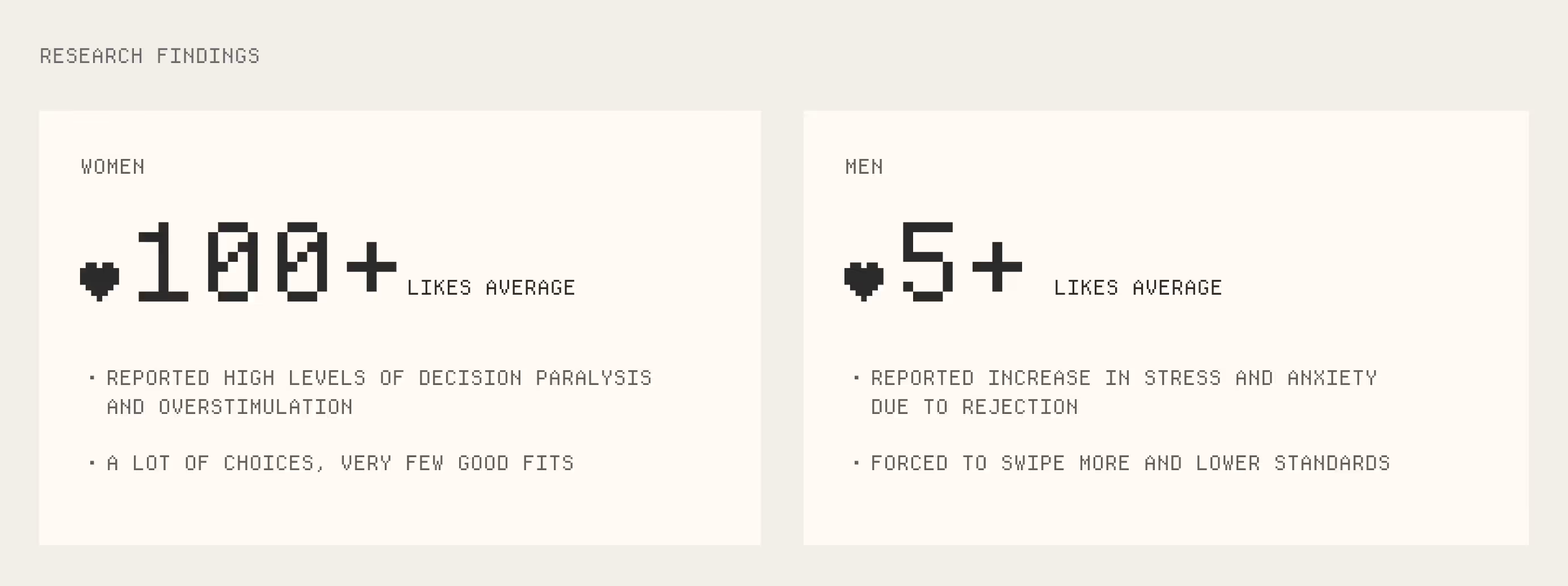
Data Analysis
I analyzed the data from industry benchmarks.

Over the course of 6 months, adoption rate dropped by 58%, and retention rate dropped by 67%. This reveals the core problem: features optimized for launch novelty rather than sustained value.
Instead of growth, what Bumble truly needs is long-term vision and sustainability.
Bumble's original brief was to increase retention. However, the data indicates the real need is a shift in market positioning, not an increase in engagement.
Bumble Events encourages retention through recurring events.
Bumble Events provides an oppotunity to establish a new revenue model.
Old vs. New
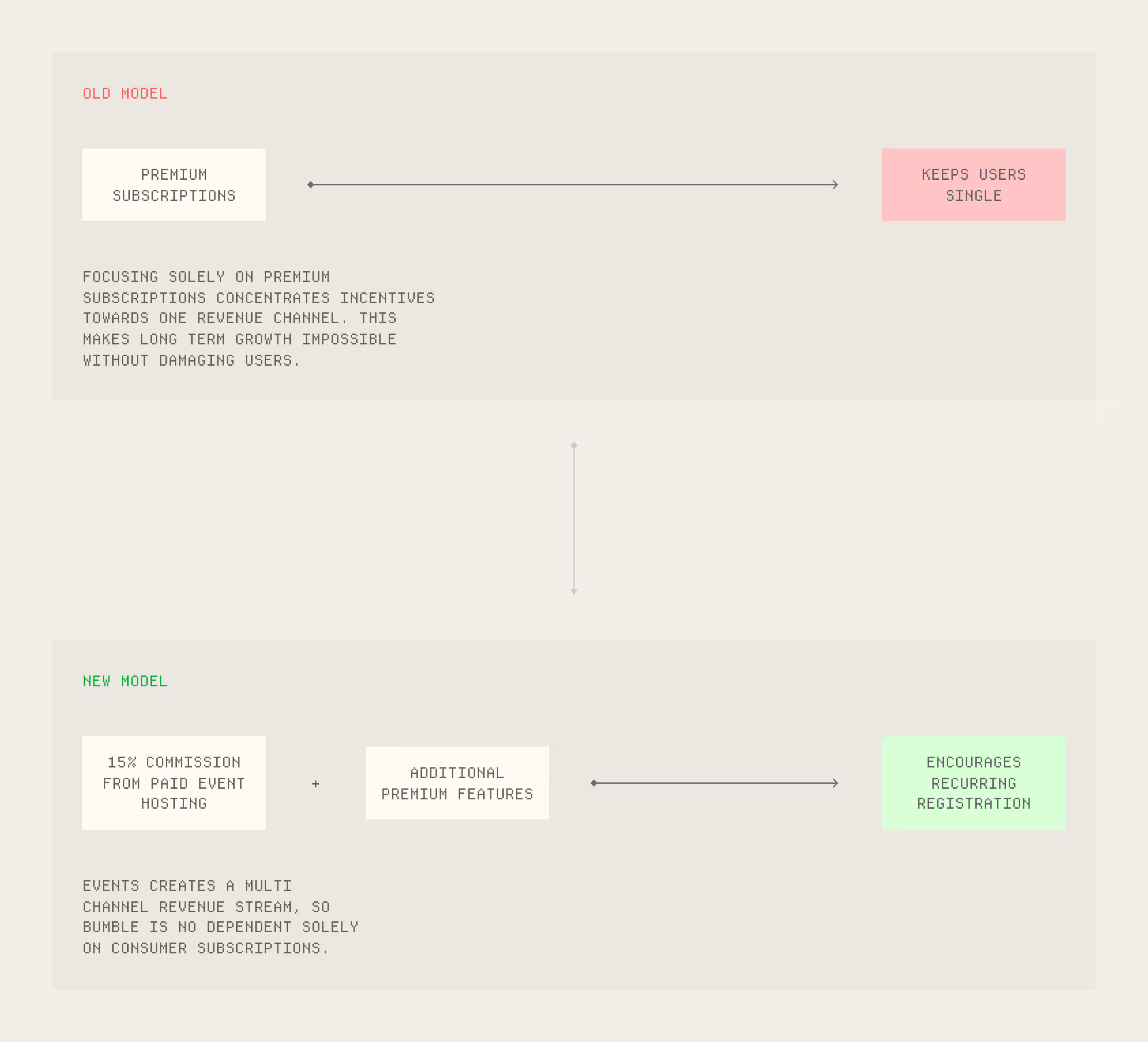
This solves the fundamental conflict of interest.
After finalizing events as the solution, determining the details turned out to be harder than expected.
I explored a ton of concepts to figure out the small details. Here are two examples:
1. Preplanned vs. spontaneous events
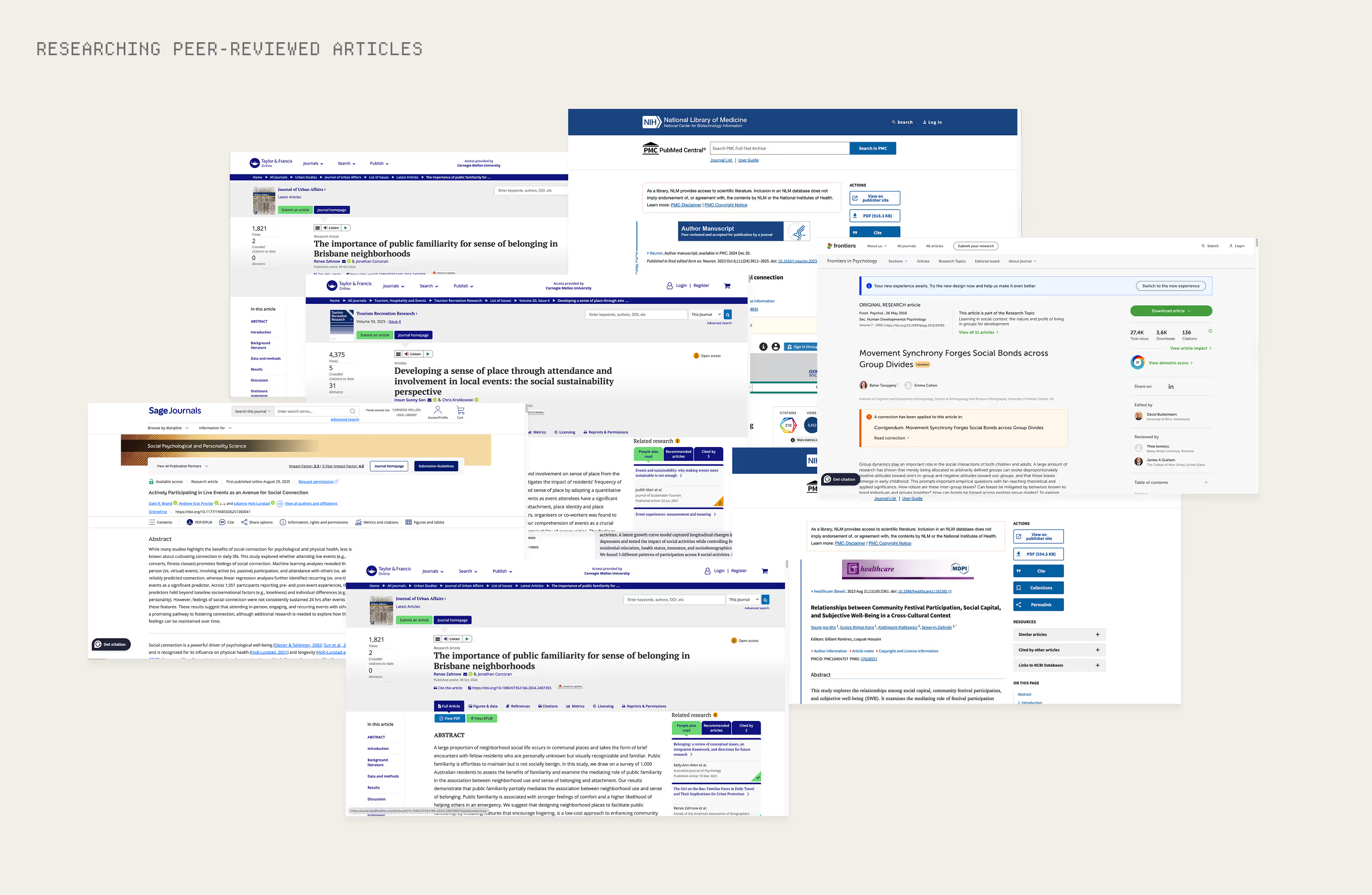
Deciding between spontaneous events or planned was a huge point of contention. Ultimately, peer-reviewed research showed that that planned, recurring events with active participation created the strongest social connection.
Event Page Features
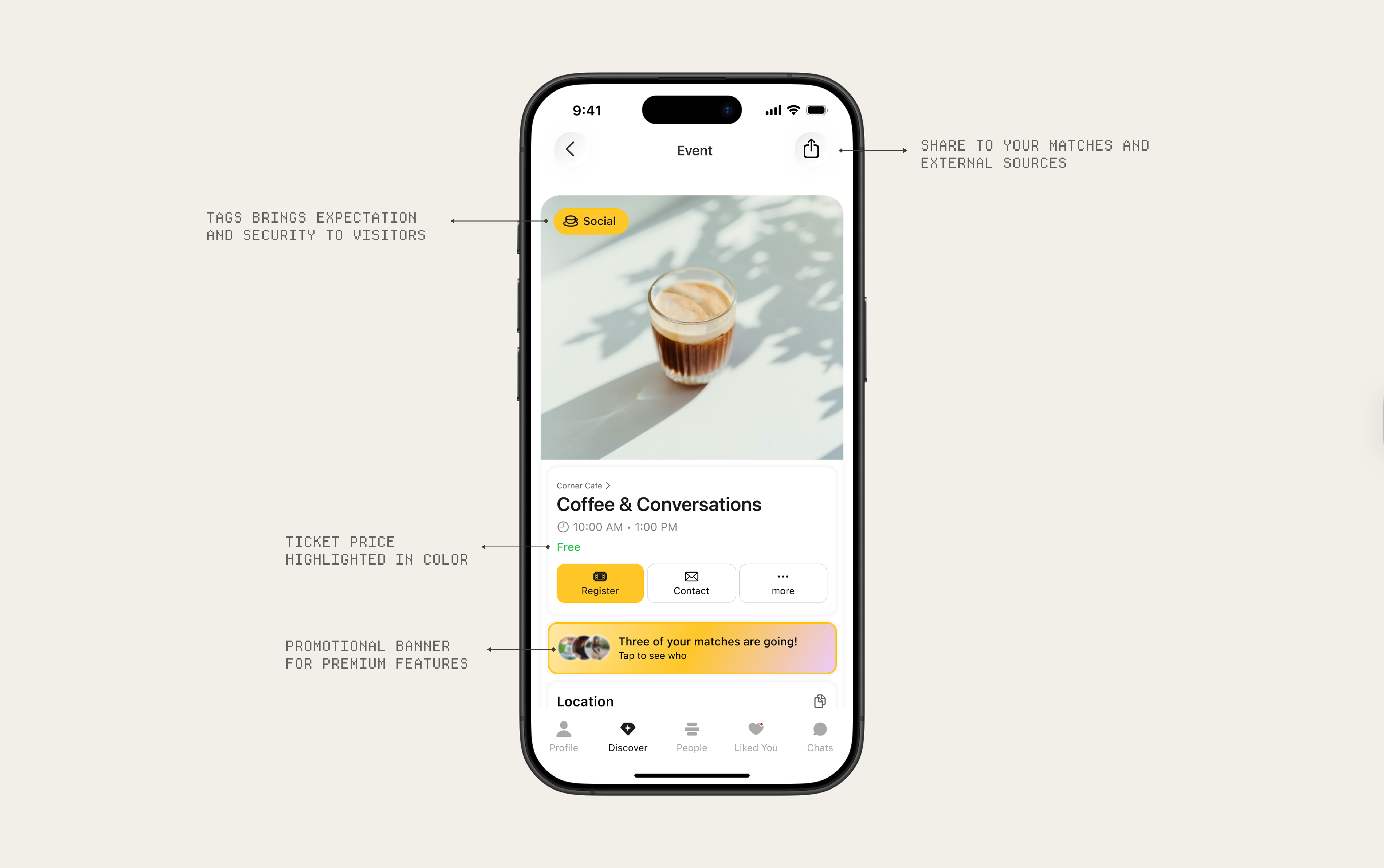
The design of the event registration screen follows Bumble's design language of being image-first. Leading with image generates trust and credibility, and reduces uncertainty when registering for events.
2. In-Person event Onboarding
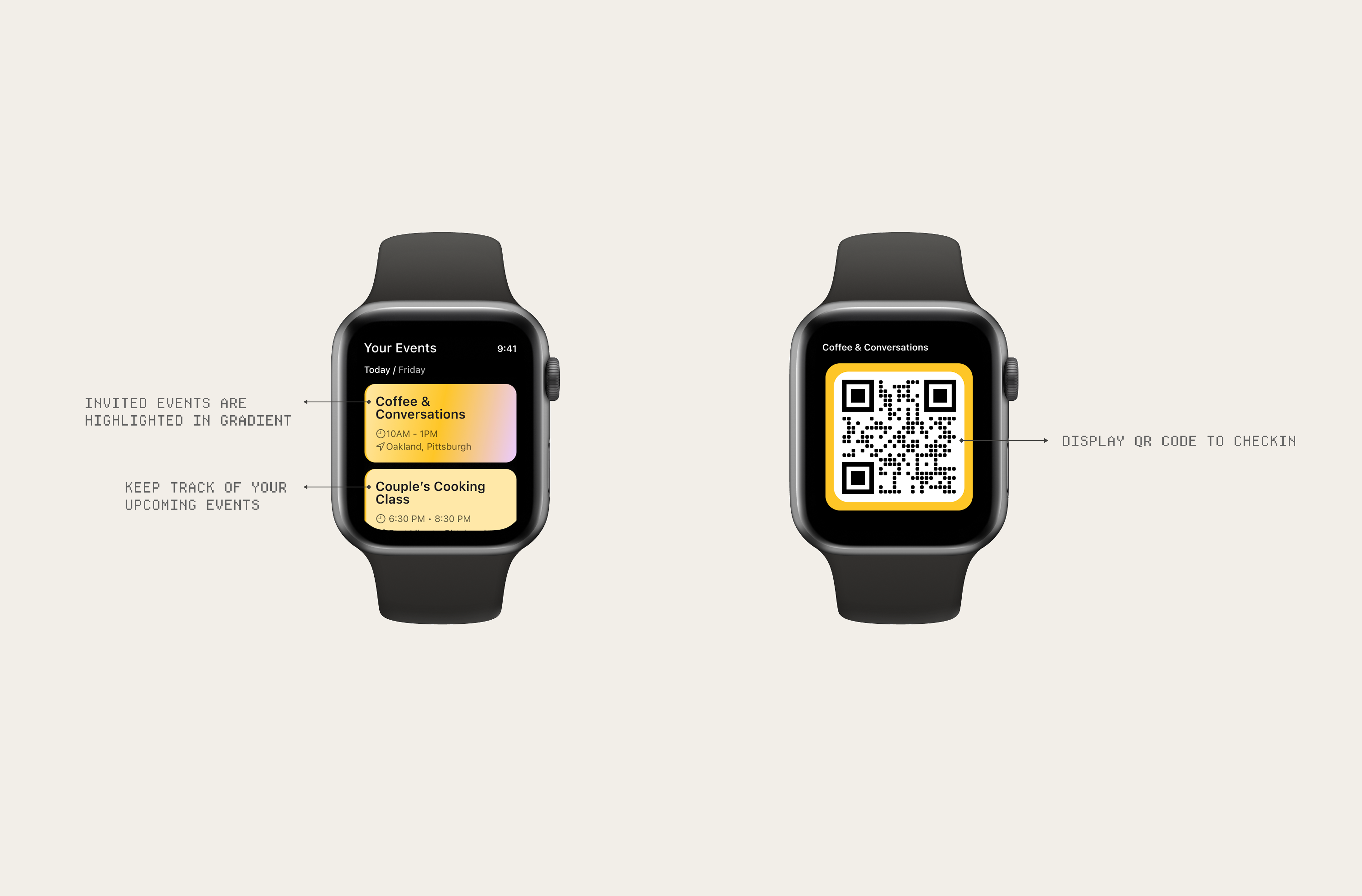
Attendees can tap their Apple watch to display a QR code during check in. This anticipates situational contexts: hands full, phone in bag, and overcrowded environments.
My solution earned strong feedback for systems-level thinking.
Rather than optimizing features within a flawed business model, I proposed restructuring revenue to align the company's incentives with user needs. My mentor praised my work for its strong, holistic strategy proposal.
Solve the right problem > solving the problem right.
Good design involves understanding the core issue, questioning the premise, and solving the right problem. If the strategy is misaligned, great execution can't fix it.
Balance Business needs with user needs.
Just designing for the user or the business is not enough. Sometimes, the best solution comes from balancing stakeholder value and creating a mutual understanding.